From wasteland to fertile soil
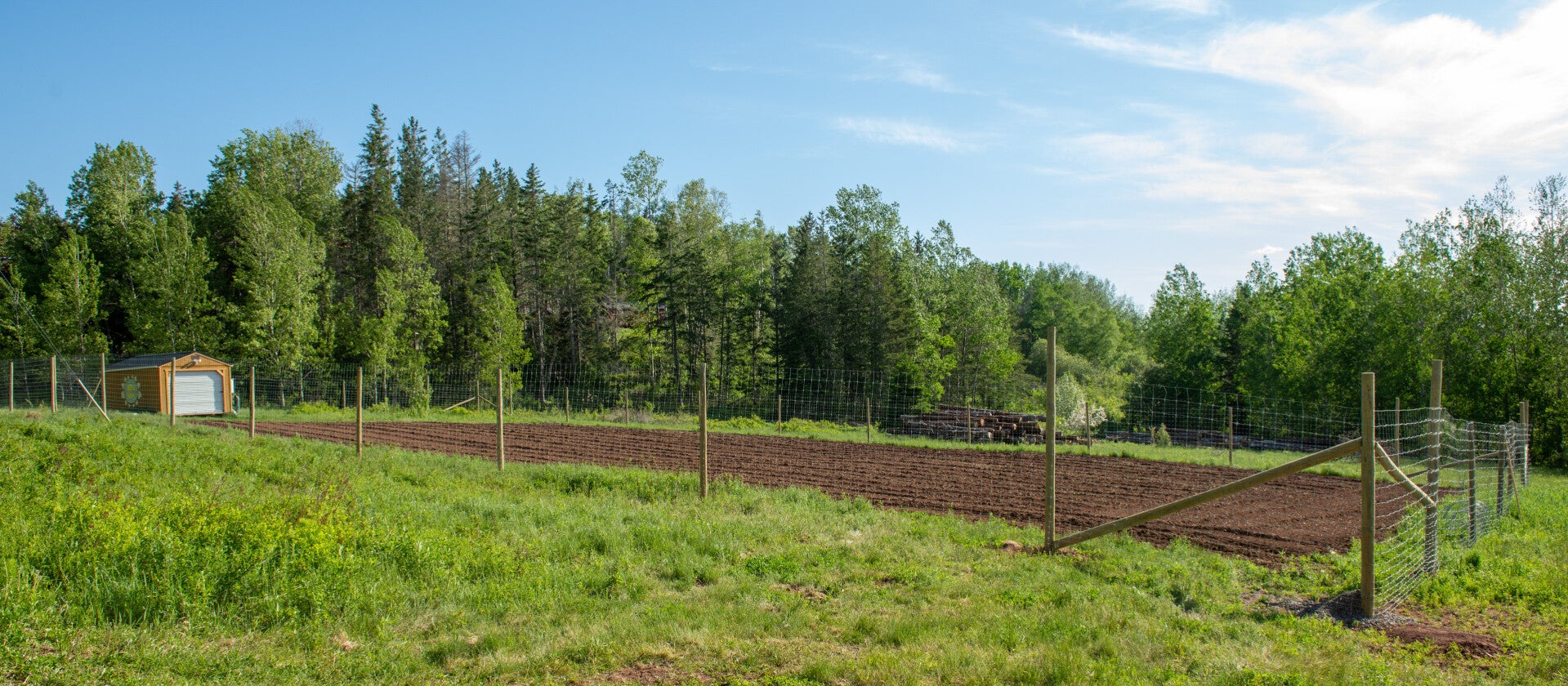
In 2019, volunteers from La Solitude de Pré-d’en-Haut proposed growing food on site for the organization's needs. To the north of the property, they found a piece of fallow land that was suitable for the project. Their proposal was accepted by management. One acre of the property would be devoted to market gardening. The project began.
In 2020, initial plowing was carried out and an advisory committee was formed. Composed of citizens and market gardening specialists, it made recommendations on how to restore fertile soil.
The garden is being created in six stages
PHASE 1: Groundwork, 2020–2022
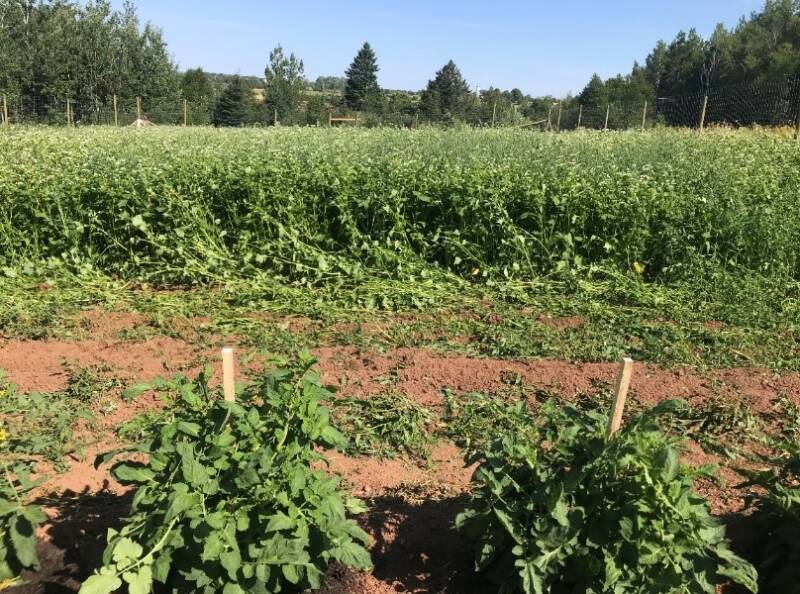
Lime is added to increase the pH level in the soil. Buckwheat and rye are sown and worked into the soil to increase organic matter. These steps are repeated three times over the next two years.

PHASE 2: Infrastructure implementation, 2021-2022
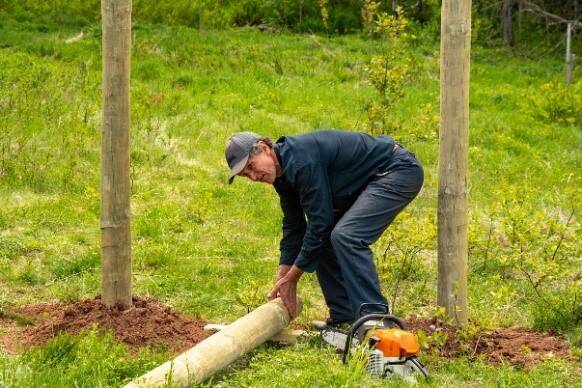
Funding enables the purchase of a tool shed, the installation of a deer-proof fence, and the development of a rainwater harvesting system. The garden has the foundations necessary for self-sufficiency.
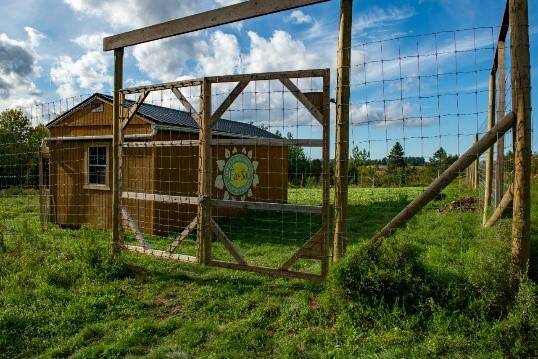
PHASE 3: Equipment acquisition, 2023
Private and public partners finance the purchase of gardening tools including a multifunctional rototiller. Fruit trees and shrubs are being planted along the inner and outer fences of the garden. Seeds are being purchased. An access path and a surface well are also being built.
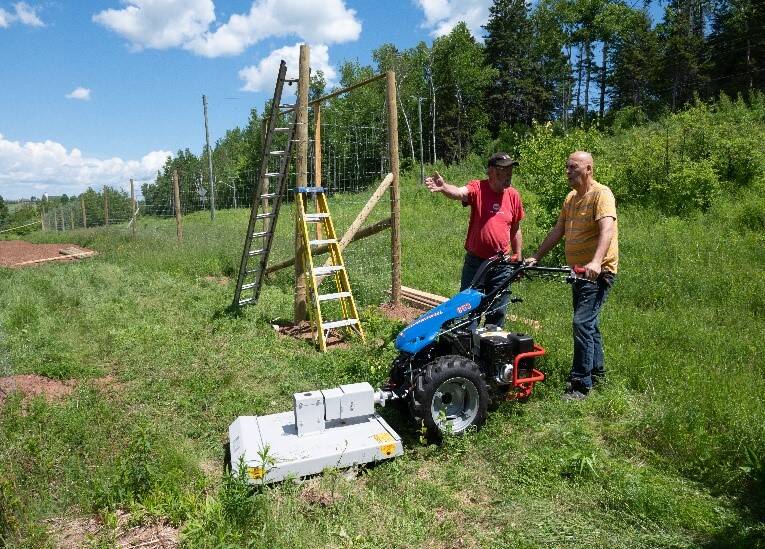

PHASE 4: Opening of the garden on an experimental basis, 2023
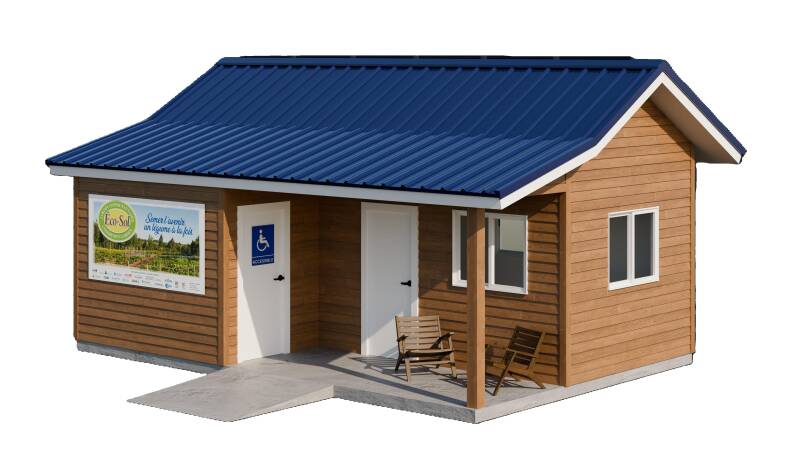
Final preparations are underway to partially open the garden to the public. A sanitary block is added. Trees and shrubs are planted. Students from Abbey-Landry School are joining the project by providing tomato plants. Half of the available space is being cultivated. The public is responding favorably to the initiative. At the end of the season, the garden has delivered on its promise of abundance. Gardeners, volunteers, and local organizations are enjoying delicious fruits and vegetables.

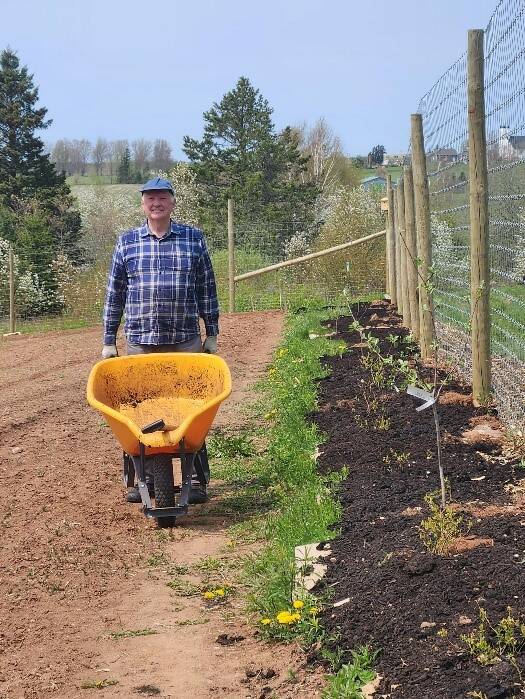

PHASE 5: Official opening of the garden, 2024
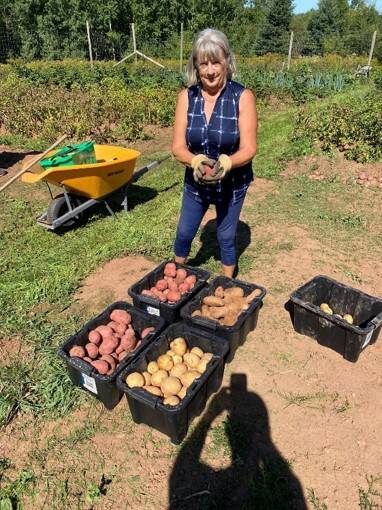
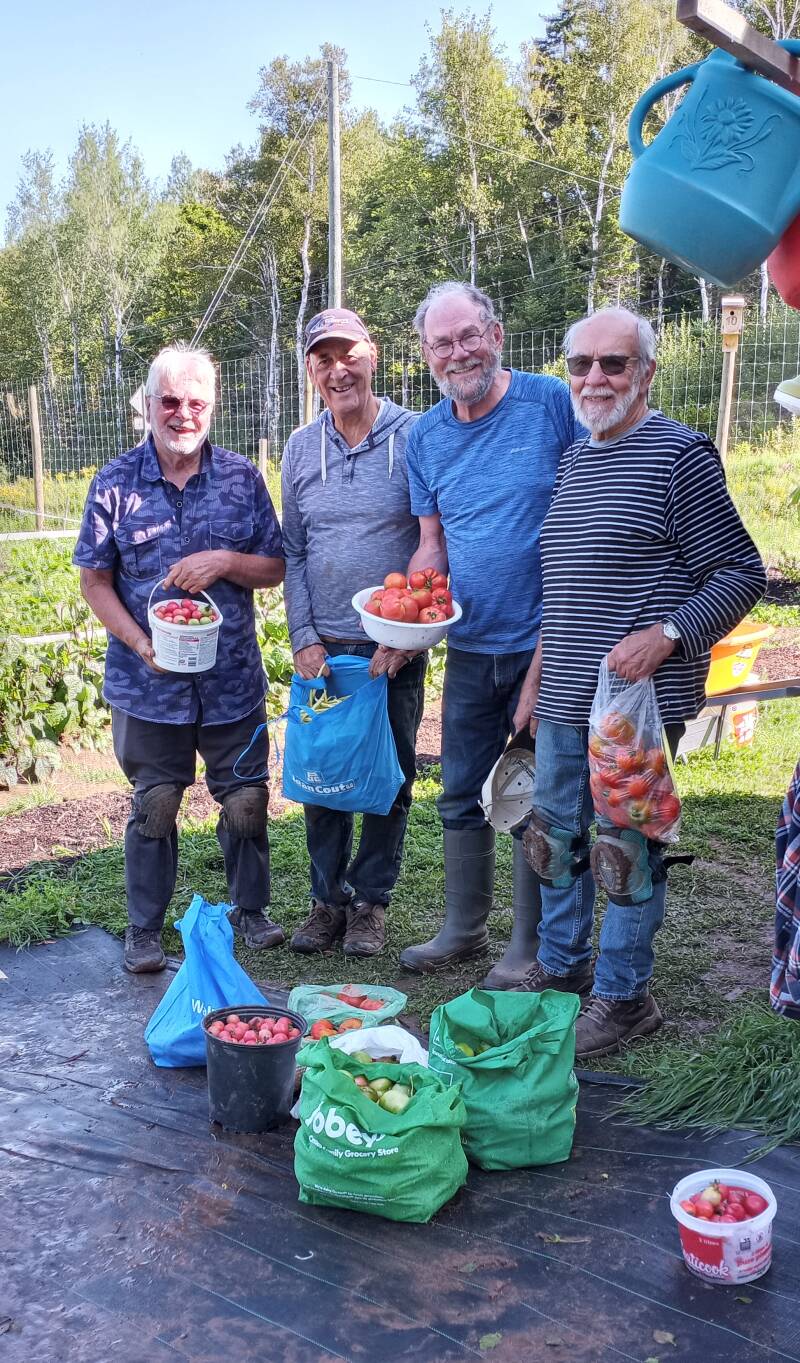
After three years of preparation, the garden opens its doors to the public. 100% of the land is cultivated. Building on previous lessons learned, soil preparation and sowing practices are refined. The yield of selected seeds increases. Pest control improves. Crop irrigation is controlled. The list of gardeners is growing. The garden is meeting its objectives. It rewards the efforts invested with hundreds of pounds of fruit and vegetables.
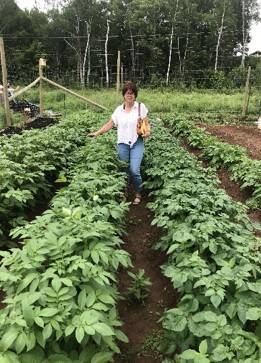
PHASE 6: Increasing food security, 2025–2026
This period is devoted to seeking funding for the purchase and installation of a cold storage room. This equipment will make it possible to preserve as much food as possible during the abundant harvests at the end of August, thereby avoiding waste. Thanks to controlled temperature and humidity, the facility will preserve the freshness and nutritional qualities of vegetables over the long term.It will increase the availability of quality food and strengthen food security in the region.
PHASE 7: Yield optimization, 2026–2027
This period is devoted to acquiring a greenhouse. In the spring, this new equipment allows for the cultivation of the first seedlings and cold-tolerant vegetables, extending the vegetable production period by one month. In the fall, when outdoor vegetables begin to decline, those in the greenhouse can be harvested until November, extending the production period by another month. The increased volume of vegetables harvested will enhance the availability of food on the local market and contribute to greater food security.

What if we went further...
An educational institution specializing in small-scale market gardening